


Trusted teacher
This teacher has a fast response time and rate, demonstrating a high quality of service to their students.

Since May 2024
Instructor since May 2024
French tutoring with 2 years of experience oriented towards online courses as well as in-person for all levels.

From 15 £ /h

French tutor with 6 years of experience oriented towards online courses as well as in-person for all levels.
I've taught French to different people from all over the world.
French is one of the beautiful languages that I know. I can't wait to share it with you.
I grew up in a french speaking country and I'm currently teaching French in a English speaking country which is south Africa. I've always wanted to be a teacher and being a teacher is one of the experiences that fit my ambition. I speak 2 languages, french and English, a French being my native language.
I love teaching and enjoy sharing my knowledge with others, I'm looking forward to share my experiences with my students.I love helping people and I'm passionate about it.
Book a lesson with me so we can talk about your learning goals and get to know each other and about my teaching methods. Which always my students to feel free during the lessons and I always my students decide what they want to learn about, what are they struggling with and when do they need help.
Book a lesson with me so I will help you with whatever you are looking for.
I've taught French to different people from all over the world.
French is one of the beautiful languages that I know. I can't wait to share it with you.
I grew up in a french speaking country and I'm currently teaching French in a English speaking country which is south Africa. I've always wanted to be a teacher and being a teacher is one of the experiences that fit my ambition. I speak 2 languages, french and English, a French being my native language.
I love teaching and enjoy sharing my knowledge with others, I'm looking forward to share my experiences with my students.I love helping people and I'm passionate about it.
Book a lesson with me so we can talk about your learning goals and get to know each other and about my teaching methods. Which always my students to feel free during the lessons and I always my students decide what they want to learn about, what are they struggling with and when do they need help.
Book a lesson with me so I will help you with whatever you are looking for.
Extra information
Bring your pen, notebook or computer if possible.
Location


At teacher's location :
- Jesus Restoration Ministry, Die Agora Road, Croydon, Kempton Park, South Africa
- Jesus Restoration Ministry, Die Agora Road, Croydon, Kempton Park, South Africa
Age
Infants (0-3 years old)
Preschool children (4-6 years old)
Children (7-12 years old)
Teenagers (13-17 years old)
Adults (18-64 years old)
Seniors (65+ years old)
Student level
Beginner
Intermediate
Advanced
Duration
60 minutes
120 minutes
The class is taught in
English
French

Availability of a typical week
(GMT -04:00)
New York

At teacher's location
Mon
Tue
Wed
Thu
Fri
Sat
Sun
00-04
04-08
08-12
12-16
16-20
20-24
good reasons to learn French.
A world language. ...
A language for the international job market. ...
The language of culture. ...
A language for travel. ...
A language for higher education. ...
The other language of international relations. ...
A language that opens up the world.
A world language. ...
A language for the international job market. ...
The language of culture. ...
A language for travel. ...
A language for higher education. ...
The other language of international relations. ...
A language that opens up the world.
Are you looking to expand your language base and little flamboyance to your vocabulary??? Well look no further than French with NTK!! For your bigginners aspiring to become experts in the language of French, Nelliane will get you there!!! kick start your trip to France by booking with Nelliane and speak better French then the locals.. Why wait?? Book now, Book face to face or virtual lesson at unbelievable rates!!
Are you preparing for your exams, travelling, conversation, speaking skills, writing, pronunciation and reading, it doesn't matter what you are looking for, I'm right here to help you... I always let my students decide what they want to learn about, what are they struggling with and when do they need help.. Learn French as a language of love with Nelliane
Are you preparing for your exams, travelling, conversation, speaking skills, writing, pronunciation and reading, it doesn't matter what you are looking for, I'm right here to help you... I always let my students decide what they want to learn about, what are they struggling with and when do they need help.. Learn French as a language of love with Nelliane
Similar classes


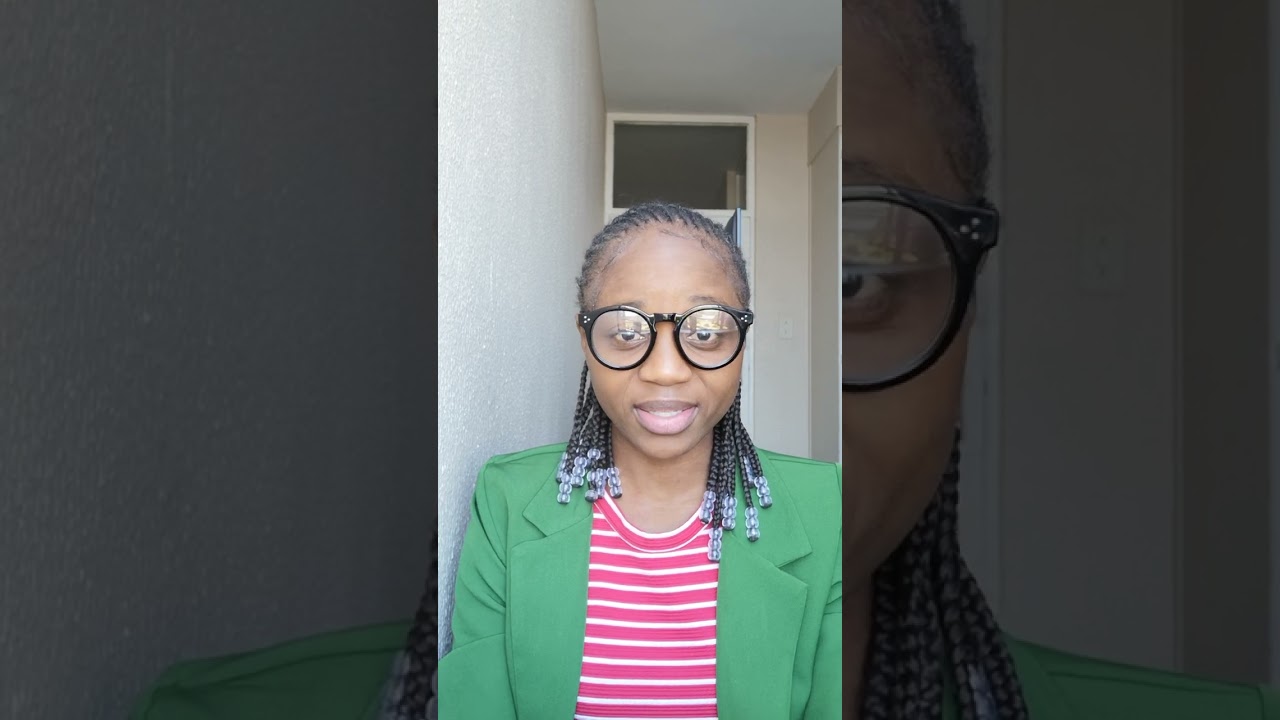

Nelliane's video

Contact Nelliane

1st lesson is backed
by our Good-fit Instructor Guarantee
by our Good-fit Instructor Guarantee
Similar classes
Good-fit Instructor Guarantee
Contact Nelliane